
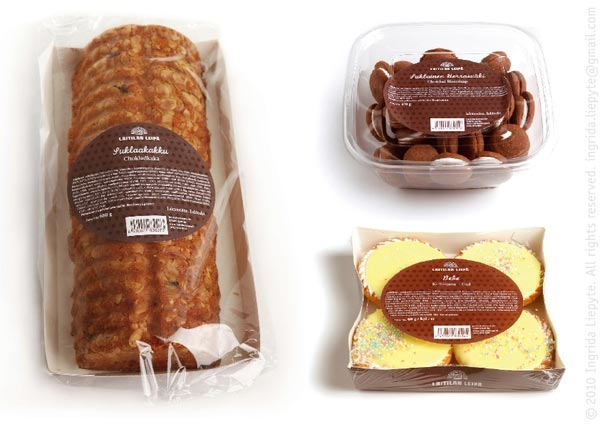
Additionally, Dr. Chen said recent studies have gone a long way toward easing safety concerns about the technology, reports bakingbusiness.com
Dr. Chen participated in a panel discussion about nanotechnology and packaging June 26 during the 2017 Institute of Food Technologists’ annual meeting and food exposition, held beginning June 25 in Las Vegas.
Examples of how nanotechnology has been used in packaging include reduction of moisture absorption, antimicrobial coatings, time-temperature indicators to show the range of temperatures a package has endured over a shown period of time and freshness indicators.
Compounds already used for nano particles include gold, silver, zinc oxide, iron oxide, titanium dioxide and silicon dioxide. The technology has been used internationally in a range of food for decades.
The way nanotechnology is used includes coating food, food wrap or coated packaging. Certain edible substances may be used to carry nano particles, including pectin, cellulose and gelatin. Possible materials for this kind of technology include zinc oxide, which has GRAS status has been shown to kill E. coli and Salmonella.
Read more on www.bakingbusiness.com